
The 5 Most Common Questions Patients Ask About Botox Eye Treatments
Jul 20, 2026
Botox is one of the most requested treatments, and most patients arrive with a similar set of questions. Some people are focused on softening lines that have started to settle in around the eyes, while others are looking for relief from a medical condition that affects how their eyelids function.
The five questions below are the ones our cosmetic and oculoplastic providers hear most often, and the answers cover both sides of what Botox can do.
1. How Does Botox Work Around the Eyes?
Botox is a highly purified form of botulinum toxin that temporarily limits a muscle’s ability to contract. When it is placed into the small muscles that surround the eyes, those muscles relax, and the skin above them smooths out.
This is why injectable treatments like Botox, Dysport, and Xeomin are so effective on the lines that form from repeated facial movement, including crow’s feet at the outer corners of the eyes, the vertical frown lines between the brows, and the horizontal creases across the forehead.
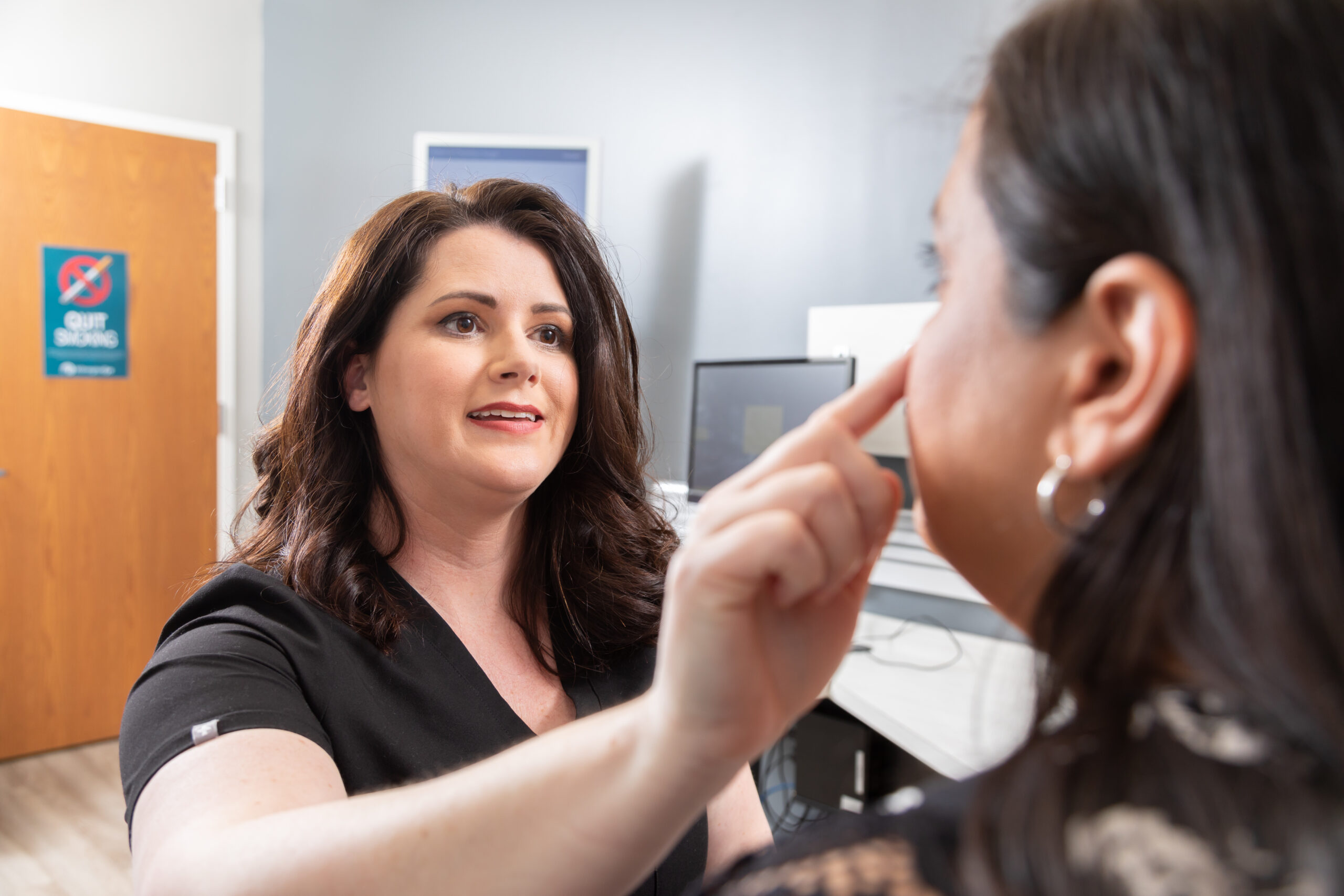
The area around the eyes is delicate, and the muscles there are small and close together. Precise placement is what separates a natural result from an overdone one.
A skilled injector targets only the muscles responsible for a specific line while leaving the surrounding muscles free to move, so the face still expresses emotion normally. The goal is a rested, refreshed appearance.
2. Can Botox Treat Eyelid Spasms and Twitching?
Many patients are surprised to learn that Botox is not only a cosmetic treatment. Some of the earliest medical uses of botulinum toxin involved relaxing overactive muscles around the eyes, and that remains an important part of oculoplastic care today. When the muscles that control the eyelids contract involuntarily, Botox can calm them and restore comfort.
The most common condition treated this way is blepharospasm, a neurological disorder that causes repeated, involuntary closing or spasming of the eyelids. In more severe cases, the spasms can become forceful enough to interfere with vision. Botox injected into the affected muscles reduces those contractions and, for many patients, brings significant relief within a few days. Benign eyelid twitching, known as myokymia, and hemifacial spasm, which affects one side of the face, can also respond to carefully placed injections.
Because these conditions involve the muscles and nerves around the eye, they are evaluated and managed by providers trained in oculoplastic surgery, who understand how the eyelids and surrounding structures are meant to function. Treatment is usually repeated every few months to keep symptoms under control, and the dosing and placement are tailored to each patient’s pattern of spasm.
3. What Should I Expect During a Botox Appointment?
A Botox visit is short and straightforward. After a cosmetic consult to map out a treatment plan, the provider cleans the area and uses a very fine needle to make a series of small injections into the targeted muscles. Most patients describe the sensation as a quick pinch or the feeling of a bug bite, and many report little to no discomfort. The appointment typically takes only a few minutes once the plan is set, and there is no need for anesthesia or recovery time, so you can return to your normal activities the same day.
4. How Long Do Botox Results Last?
Botox does not work the moment you leave the office. The muscle-relaxing effect builds gradually, with most patients beginning to notice a difference within a few days and seeing the full result by about a week after treatment. This timeline is the same whether the injections are for smoothing lines or for easing eyelid spasms.
The results are temporary because the body slowly metabolizes the product over time. For cosmetic treatments, the smoothing effect generally lasts a few months before the muscles begin to regain movement and the lines start to return.
Patients who treat medical conditions like blepharospasm follow a similar schedule, returning every two to four months to maintain relief. Many people find that with regular treatment, their results become more predictable and consistent.
5. Why Does an Experienced Injector Matter for Botox Around the Eyes?
The eye area leaves little room for error. The muscles that open and close the eyelids, raise the brows, and create expression are layered closely together, and placing the product even slightly off target can lead to an uneven look or a temporarily drooping eyelid. An injector who understands the detailed anatomy of the face and the structures around the eyes can avoid these problems and deliver results that look natural.
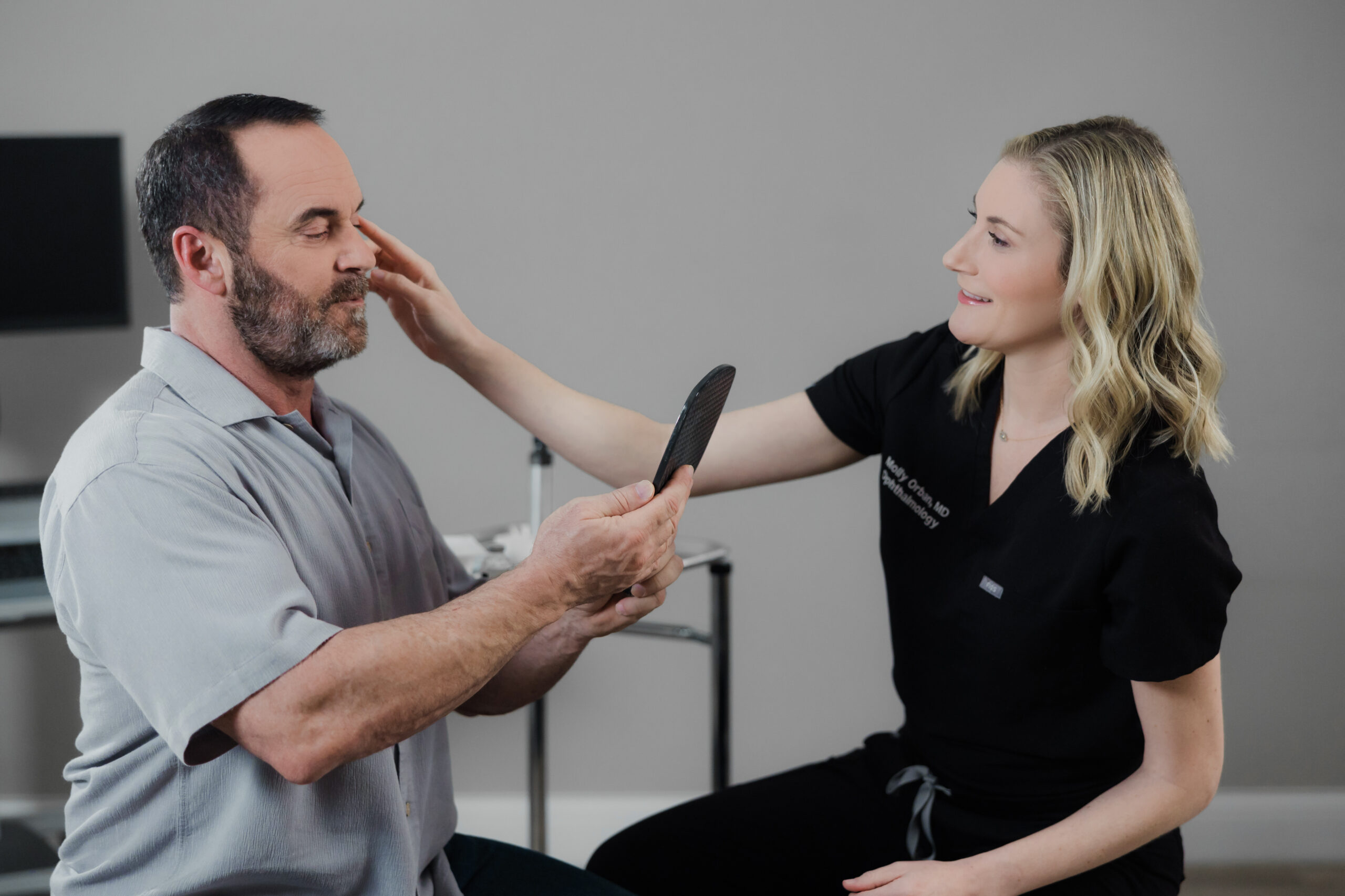
This is one reason patients seek out a practice where Botox is handled by providers with specialized training in the eye region. At Wilmington Eye, injections are performed by board-certified oculoplastic surgeons and experienced cosmetic providers who work with the eyelids and surrounding tissue every day. That background matters most when the same provider may be treating both a cosmetic concern and a functional one, since the underlying anatomy is identical.
A consultation is where all of this comes together. Your provider will examine the area, ask about your goals, and explain what Botox can and cannot accomplish for your specific concern. Setting realistic expectations up front is part of getting a result you are happy with, whether you are smoothing a few lines or seeking lasting relief from an eyelid spasm.
Curious whether Botox is right for your concerns around the eyes? Schedule an appointment at Wilmington Eye in Wilmington, NC, today!