
What You Need to Know About Premium Lens Implants for Cataract Surgery
Mar 19, 2026
If you have been told you need cataract surgery, you might assume the only goal is to clear up your cloudy vision. And while that is the primary purpose, today’s procedures offer something more: the chance to reduce or even eliminate your dependence on glasses. The key to this added benefit is choosing the right premium lens implant for cataract surgery.
During the procedure, your eye’s clouded natural lens is removed and replaced with an artificial one called an intraocular lens (IOL). A standard IOL is covered by insurance and provides clear focus at one distance, but premium options go further by addressing near vision, distance vision, astigmatism, or all three at once.
Keep reading to learn about the different types of premium lens implants, what makes each one unique, and how to work with your eye doctor to choose the best fit for your lifestyle.
How Does Cataract Surgery Work?
A cataract forms when the natural lens inside your eye gradually becomes cloudy, making it harder to see clearly. Colors may appear faded, night driving becomes difficult, and everyday activities like reading feel more frustrating over time. Cataract surgery addresses this by removing the clouded lens through a small incision and replacing it with a clear, artificial IOL.
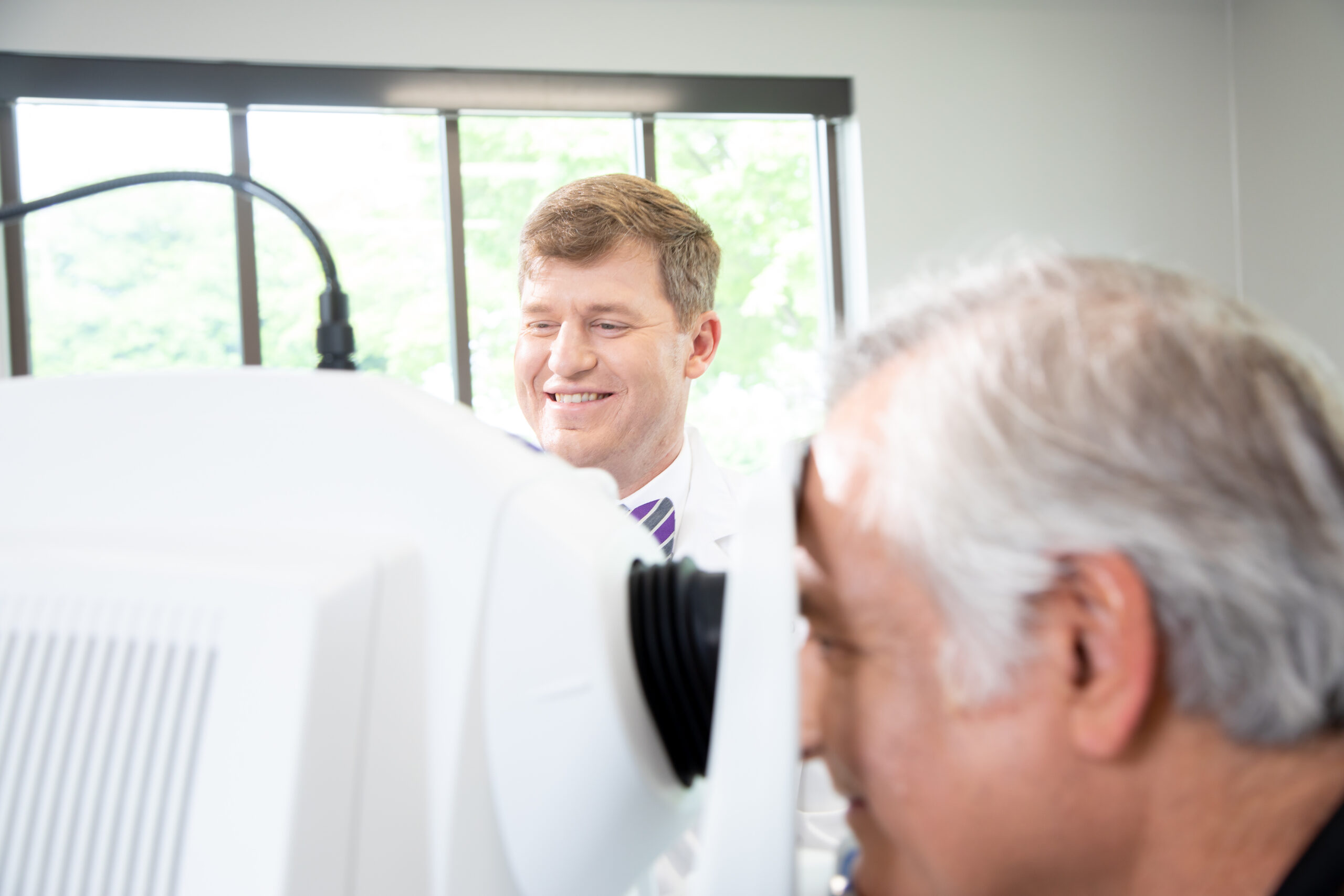
The procedure itself typically takes less than 30 minutes, and most patients notice sharper vision within a day or two. With a standard monofocal IOL, your surgeon sets the lens to provide clear focus at one specific distance (usually far away), and you wear glasses for everything else.
Premium lens implants expand on this by offering correction at multiple distances, sharper focus for patients with astigmatism, or a broader overall range of clear vision.
Types of Premium Lens Implants for Cataract Surgery
At Wilmington Eye, our surgeons offer a range of IOL options so that each patient can find a lens matched to their daily needs. Here is a closer look at the most common premium categories.
Multifocal IOLs
Multifocal lenses use a series of concentric rings built into the surface of the IOL to split light and create focus points at more than one distance. This design allows you to see both near and far without constantly reaching for reading glasses. They are a popular choice for patients who want the convenience of handling most daily tasks (driving, using a computer, reading a menu) without extra visual aids. Multifocal IOLs may produce subtle glare and/or halos at night.
Toric IOLs
If you have astigmatism, a toric IOL may be the best path to clear vision after surgery. Astigmatism occurs when the front surface of your eye (the cornea) is shaped more like a football than a basketball, causing images to appear stretched or blurred.
A toric lens is specifically designed to counteract that curvature. Your surgeon carefully positions the lens during surgery so it lines up with the exact angle of your astigmatism, delivering crisper distance vision that a standard lens simply cannot provide for these patients.
Trifocal IOLs
Trifocal lenses take the multifocal concept a step further by creating three distinct focus zones: near, intermediate, and far.
This makes them a great option for people who spend time working on a computer (intermediate range), reading books or phones (near range), and driving or watching television (far range). The result is a smooth, continuous range of vision that covers virtually all everyday distances.
Like multifocal lenses, trifocals may produce subtle glare or halos at night.
Extended Depth of Focus (EDOF) Lenses
Rather than splitting light into separate focus points, an EDOF lens stretches a single point of focus into a longer, continuous range. This gives you strong distance and intermediate vision with fewer nighttime visual side effects compared to multifocal or trifocal designs.
Light Adjustable Lens (LAL)
The Light Adjustable Lens is the only IOL that can be fine-tuned after you’ve recovered from cataract surgery. Rather than locking in your prescription at the time of the procedure, your surgeon uses a series of brief, painless UV light treatments in the weeks following surgery to precisely calibrate your vision based on how your eye has healed. This means your final prescription is built around post-operative results rather than pre-surgical estimates.
How to Decide Which Premium IOL Is Right for You
Choosing a premium lens implant is a personal decision, and the right answer depends on a handful of factors unique to you.
Your daily routine matters most. Think about where you spend the majority of your time. Sharing these details with your surgeon helps narrow down which lens aligns with the way you actually live.
Your overall eye health also plays a role. Conditions such as glaucoma, significant dry eye, or other retinal concerns may influence which lens your surgeon recommends.
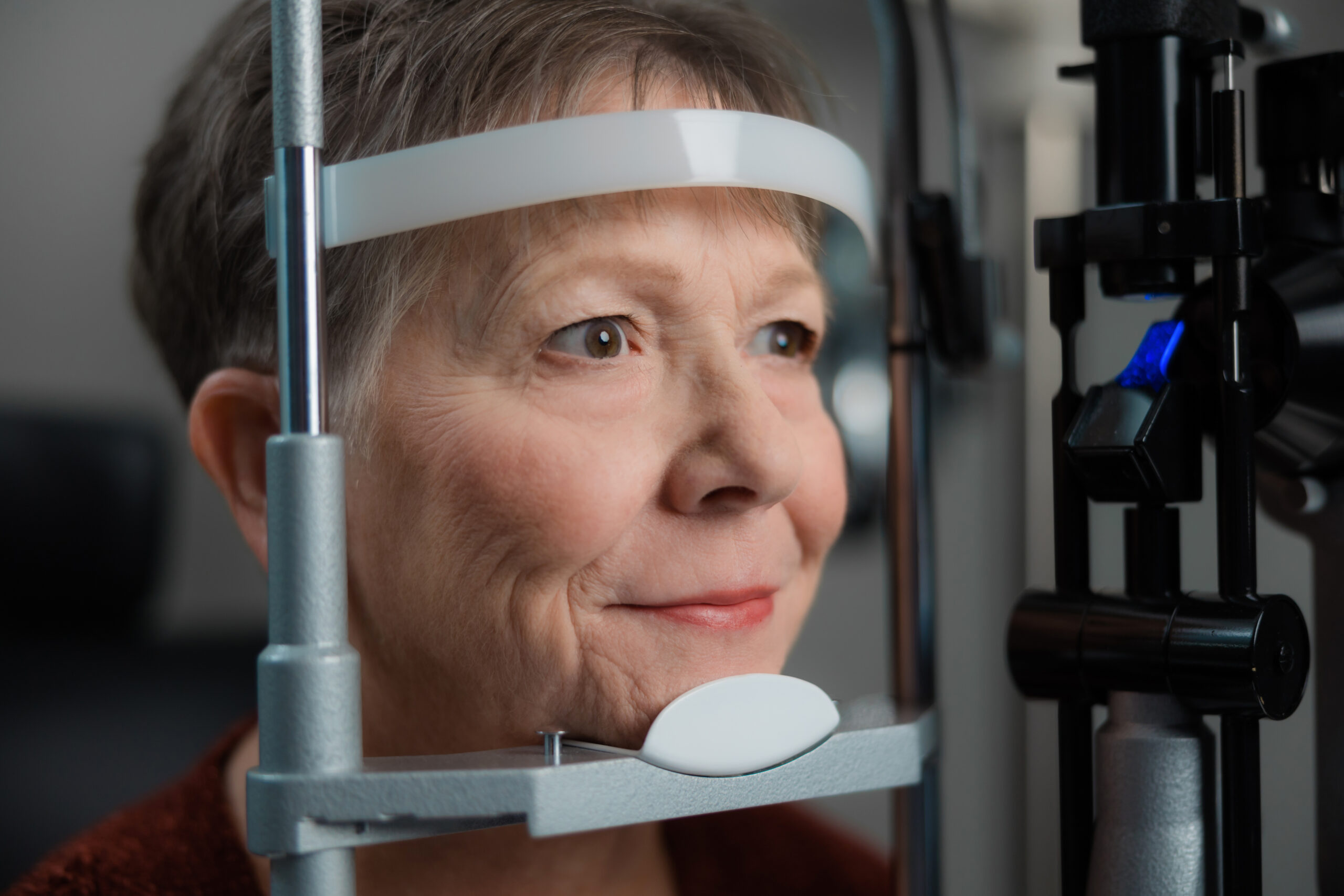
During your cataract evaluation, advanced diagnostic testing will map the shape of your cornea, measure the length of your eye, and assess the health of your retina to determine which IOL will deliver the best outcome for your individual situation.
It is also worth having an honest conversation about expectations. Premium lenses can dramatically reduce your need for glasses, but they do not guarantee you will never need them again. Understanding this upfront helps you feel confident and satisfied with your results. Wilmington Eye offers financing options for premium IOLs, since insurance typically covers only the standard monofocal lens.
Ready to explore your premium lens implant options? Schedule a cataract evaluation at Wilmington Eye in Wilmington, NC, today!