
What to Expect During Your First Week After LASIK Surgery
Jun 22, 2026
If you’ve recently scheduled LASIK or are seriously considering it, you’ve probably already done your research on the procedure itself. But many patients find that the days immediately following surgery are where the real questions start. What will vision feel like that first evening? When can you drive again? What’s normal, and what warrants a phone call to your surgeon?
The first week after LASIK is generally smooth and straightforward, but knowing what to expect makes the experience far less stressful. Here’s a practical look at what the recovery process actually involves, from the moment you leave the surgical suite through day seven.
The First Few Hours After LASIK
The hours right after surgery are the most important time to simply rest.
At Wilmington Eye, patients are advised to go home immediately following their procedure and take a four-hour nap. Sleep allows your eyes to begin healing without the strain of light exposure, blinking, or screen use, and is a simple but important part of a smooth first day.

When you first wake up, your vision may still be hazy or slightly blurry. This is completely expected. Some patients notice a dramatic improvement in clarity almost immediately, while others take a day or two to see a noticeable change. Either experience is within the normal range.
You may also notice some light sensitivity, a mild burning sensation, or the feeling that something is in your eye. These sensations typically subside within a few hours. Protective eye shields will be provided to wear while you sleep, and it’s essential to keep them on as directed to prevent accidental rubbing during the night.
Day One Vision and Your Post-Op Appointment
Your first post-operative appointment at Wilmington Eye takes place the day after your procedure. This visit is brief but important. Your surgeon will examine the corneal flap, assess your visual acuity, and confirm that healing is progressing as expected. Many patients are cleared to drive and return to work at this appointment, provided their vision has stabilized enough to do so safely.
For the majority of patients, vision after the first night is noticeably clearer than before surgery, sometimes dramatically so. That said, full visual stabilization can continue to develop over several weeks, so don’t be discouraged if your vision fluctuates slightly during the first few days. Mild ups and downs in clarity are a normal part of the healing process and are not a sign that something has gone wrong.
Common Side Effects in the First Week
Dry eye is the most frequently reported side effect during the early weeks of LASIK recovery. The procedure reduces corneal nerve sensitivity, which can affect how your eyes produce and distribute tears, especially in the early weeks of recovery. Your surgeon will prescribe lubricating eye drops, and using them consistently is one of the most important things you can do to keep your eyes comfortable and support clear healing.
Halos, glare, and starbursts around lights are also common during the first week, particularly at night. These visual disturbances are caused by temporary corneal swelling as the eye heals and typically diminish significantly within the first few weeks. Many patients notice them most when driving after dark, which is another reason to follow your surgeon’s specific guidance before getting behind the wheel.
The antibiotic and anti-inflammatory drops your surgeon prescribes play a direct role in minimizing these effects, so staying on schedule with your drop regimen matters.
Activity Restrictions During LASIK Recovery
During the first week, there are several activities to avoid in order to protect the healing corneal flap.
Rubbing your eyes is the most critical restriction. Even gentle pressure can displace the flap before it has fully adhered, so wearing protective shields while sleeping and being mindful throughout the day is essential.
Swimming, hot tubs, and any activity that exposes your eyes to water should be avoided for at least two weeks. The same pathogens and bacteria that make swimming with contact lenses risky pose an even greater threat to eyes that are actively healing from surgery. This includes washing your hair in the shower. Angling your head back to keep water away from your face is recommended.
Strenuous exercise, heavy lifting, and contact sports should also be put on hold for the first week, as elevated heart rate and physical impact can affect healing.
Eye makeup, including mascara and eyeliner, should be avoided for at least a week as well.
Patients who aren’t candidates for LASIK due to factors like corneal thickness may be evaluated for PRK as an alternative, which has a somewhat longer initial recovery period but carries similar short-term activity restrictions in the weeks following surgery.
When to Call Your Doctor
Most of what patients experience during the first week falls well within the expected range, but there are specific symptoms that warrant a call to your eye doctor rather than a wait-and-see approach. These include eye pain, sudden loss of vision or a dramatic decrease in clarity, discharge from the eye, or a visible change in the appearance of the eye itself.
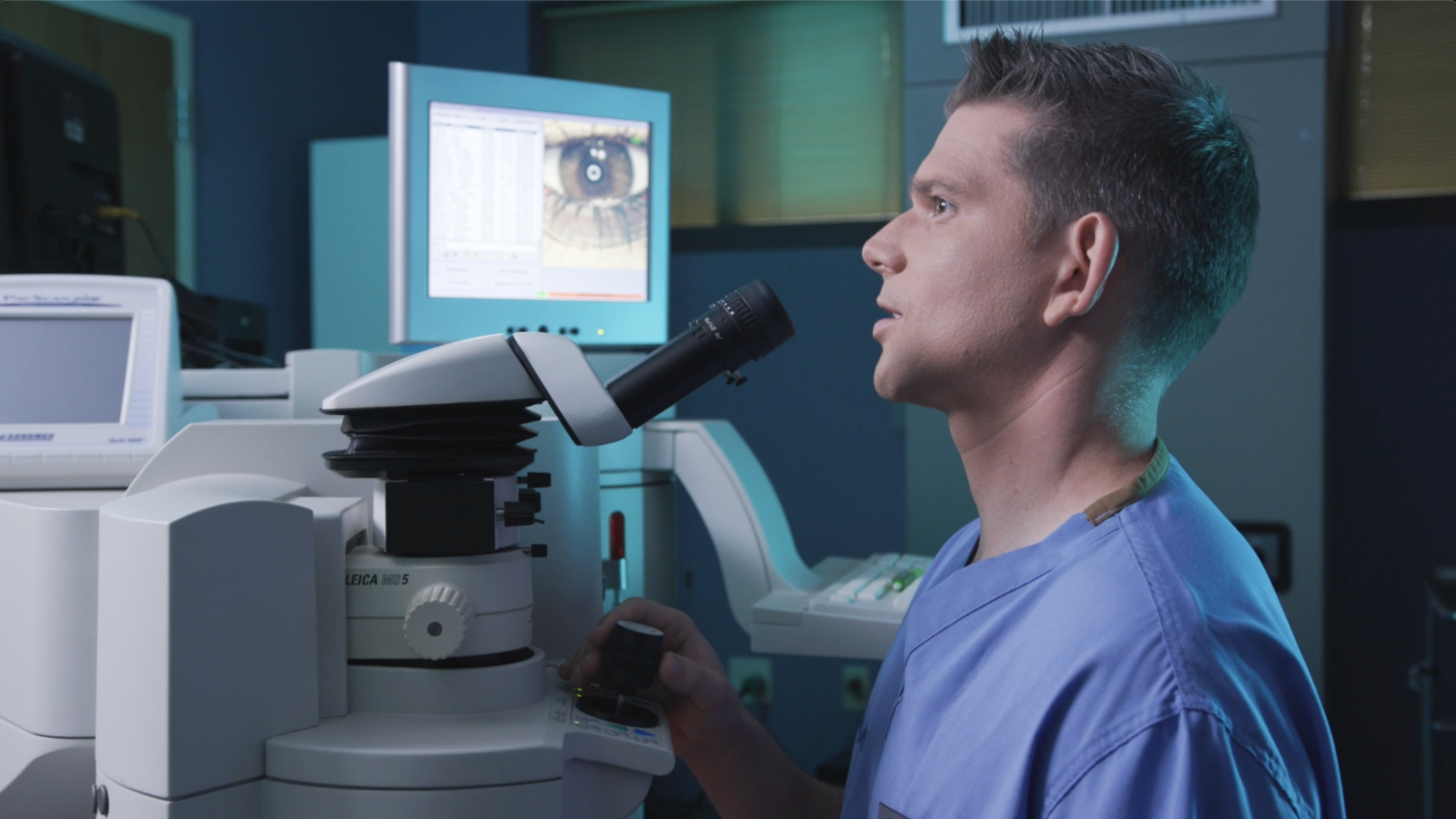
Occasional blurring and light sensitivity are normal during the first week. Escalating pain is not. If anything feels off or you’re unsure whether a symptom is typical, reaching out to your care team is always the right move.
The first week after LASIK is, for most patients, far easier than anticipated. With the right preparation, a consistent drop schedule, and a few days of taking it easy, the path to clearer vision moves quickly.
Ready to find out if LASIK is right for you? Schedule an appointment at Wilmington Eye in Wilmington, NC, and take the first step toward life without glasses or contacts.