
What to Expect During the 24 Hours After Cataract Surgery
Jan 22, 2026
The first 24 hours after cataract surgery recovery are the most important for setting up a smooth healing process. Your eye needs time to adjust to the new lens, and following the right steps during this initial period helps ensure the best possible outcome. This is when your body begins the natural healing process that will lead to clearer, sharper vision.
Keep reading to learn exactly what to expect during each stage of your first day home, from the moment you leave the surgery center through your first night’s sleep!
What Happens Immediately After Your Cataract Surgery
Right after your surgery ends, you’ll spend about 30 minutes in a recovery area where the medical team monitors how you’re feeling. Your eye will be covered with a protective shield, and you might notice that your vision seems cloudy or blurry in the treated eye. This is completely normal and expected at this stage.
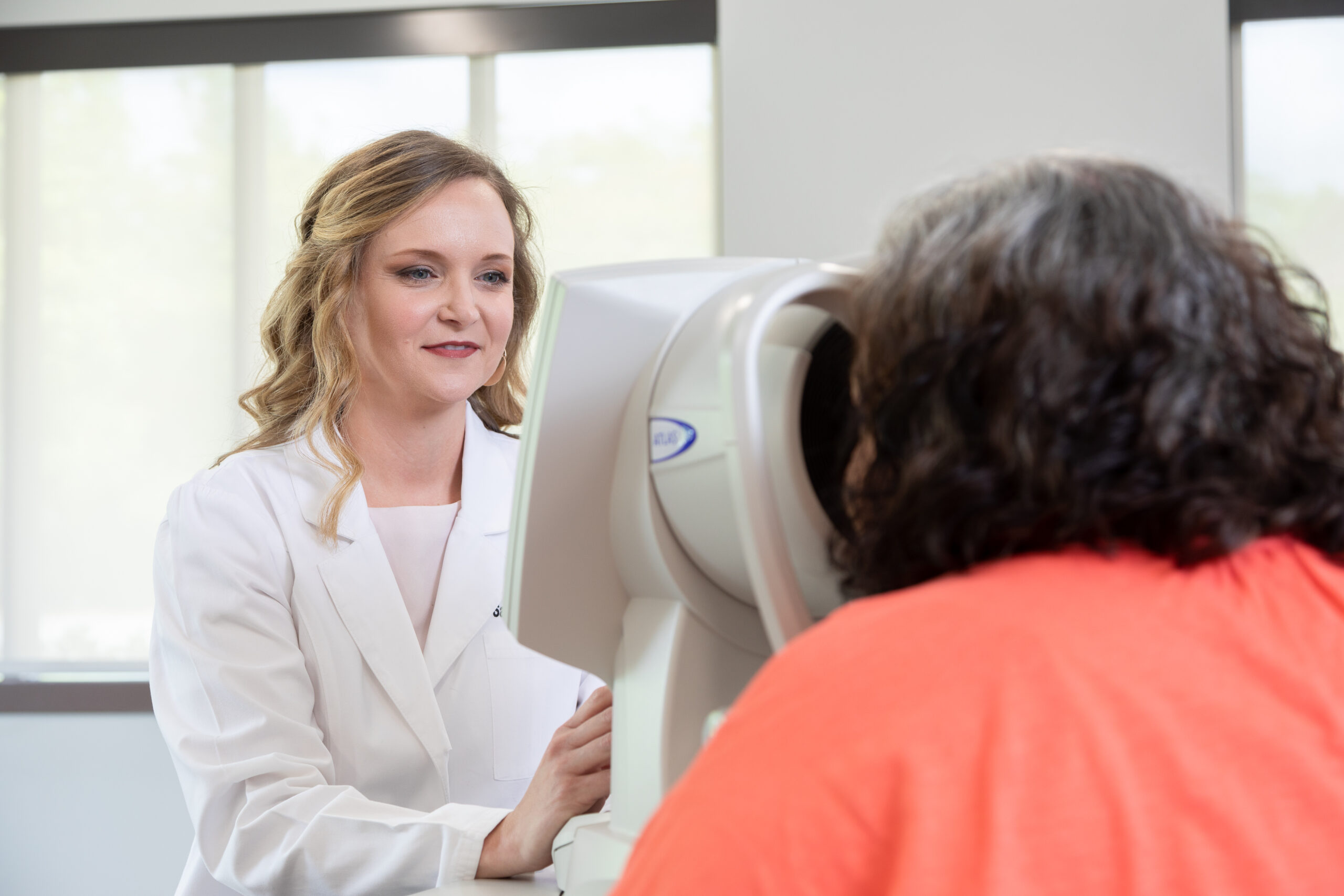
Many patients wonder if they can see right away, but your vision will likely be quite different from what you’re used to. Colors might seem brighter, or your vision might seem a little blurry. Your brain needs time to adjust to the new artificial lens that replaced your natural lens.
You cannot drive yourself home after cataract surgery, so make sure someone is available to take you. The anesthetic medications administered prior to surgery can affect your reaction time for several hours and cause mild drowsiness.
Before leaving, your care team will place a protective eye shield over your eye and provide detailed instructions for your first day home. This shield is your eye’s best friend for the next 24 hours, protecting it from accidental bumps, bright light, and dust.
The First Few Hours at Home
Managing Your Vision and Comfort
During your first few hours at home, your treated eye will gradually start to clear, but this process varies from person to person. Some people notice significant improvement within a couple of hours, while others may not see dramatic changes until the next morning. Both experiences are perfectly normal.
Your eye might feel slightly scratchy, like there’s an eyelash or a small piece of dust in it. This sensation comes from the tiny incision made during surgery and should be mild. You may also notice increased sensitivity to light, which is why many people prefer to rest in a dimly lit room during the afternoon after surgery.
Taking Your Prescribed Eye Drops
Your doctor will prescribe antibiotic and anti-inflammatory eye drops to prevent infection and reduce swelling. These medications are essential for proper healing, so it’s important to start them as directed, usually within a few hours of arriving home.

To apply eye drops properly, wash your hands thoroughly first. Tilt your head back slightly, pull down your lower eyelid gently, and squeeze one drop into the small pocket created. Try not to let the bottle tip touch your eye or eyelid. Wait at least five minutes between different types of drops if you have multiple medications.
Protecting Your Eye
Keep that protective eye shield on during the day, and especially at night when sleeping, until your eye doctor instructs you to stop wearing it. The shield prevents accidental rubbing or touching, which could interfere with the healing process.
Avoid getting water directly in your eye, even when washing your face. Use a washcloth to clean around the eye area carefully, and keep your head tilted away from the shower spray when you bathe. These precautions help prevent bacteria from entering the healing incision.
What to Expect by Evening
Vision Changes Throughout the Day
By evening, many patients notice their vision continuing to improve gradually. However, don’t be concerned if your vision still seems somewhat cloudy or if you notice glare around lights. Your brain is working hard to adapt to the new lens, and this adjustment process can cause temporary visual effects.
Some people see halos around lights or notice that straight lines appear slightly wavy. These side effects typically improve over the next few days as your eye heals and your brain adapts.
Sleep Positioning
When it’s time for bed, you’ll need to wear your protective eye shield while sleeping. This prevents you from accidentally rubbing your eye during the night, which could happen without you realizing it. The shield might feel awkward at first, but most people adjust to it quickly.
Activities and Restrictions for Day One
Light activities are perfectly fine during your first 24 hours. You can read, watch television, use your computer, and do other quiet activities as long as you feel comfortable. Many people find that their untreated eye does most of the work initially, which can cause some mild fatigue.

Walking around your home and doing light household tasks like preparing simple meals or folding laundry are safe. However, don’t bend over or lift anything heavier than 10 pounds during your first day. These activities increase pressure in your eye, which could interfere with healing. This means no gardening, heavy housework, or picking up young children or pets.
Swimming, hot tubs, and saunas are off-limits for at least a week after surgery. The water in these environments contains bacteria that could cause infection in your healing eye.
When showering, face away from the water and keep your eyes closed. You can wash your hair but be extra careful to prevent shampoo or soap from running into your eyes. Some people find it helpful to wear their protective eye shield in the shower for added protection.
Cooking light meals is acceptable but avoid activities that create steam or smoke near your face. The protective eye shield should stay on while you’re active in the kitchen to prevent accidental contact with your healing eye.
When to Contact Your Eye Doctor
Some discomfort and visual changes are expected during cataract surgery recovery. Mild scratchiness, light sensitivity, and gradually clearing vision are all normal parts of the healing process. You might also notice some redness around the eye or slight swelling of the eyelid, which typically improves over the first few days.
Tearing or watery eyes are also common during the first 24 hours. This usually decreases significantly by the second day.
Call your eye doctor at Wilmington Eye immediately if you experience severe pain that doesn’t improve with over-the-counter pain medication. While some discomfort is normal, intense or worsening pain could indicate a problem that needs immediate attention.
Other concerning symptoms include sudden vision loss, flashing lights, a large increase in floaters, or nausea and vomiting. These could be signs of complications that require prompt medical care. Trust your instincts if something doesn’t feel right, even if you can’t pinpoint exactly what’s wrong.
For personalized cataract surgery care and recovery support, schedule your consultation at Wilmington Eye in Wilmington, Burgaw, Scotts Hill, Mayfaire, Leland, Southport, and Carolina Shores today!