
Everything You Need to Know about PRK Eye Surgery
Dec 19, 2025
Finding out you’re not a candidate for LASIK can feel disappointing when you’re ready to ditch your glasses for good. Before you give up on vision correction, consider PRK eye surgery. This time-tested procedure has actually been around longer than LASIK and delivers outstanding results for patients who need an alternative approach to achieving clear vision.
Keep reading to learn everything you need to know about PRK eye surgery!
What is PRK Eye Surgery?
PRK stands for photorefractive keratectomy. This vision correction procedure shares many similarities with LASIK, as both reshape your cornea to help light focus properly on your retina, resulting in clear vision.
The primary difference lies in how each procedure accesses the cornea for treatment. During PRK eye surgery, your surgeon follows a straightforward two-step process.
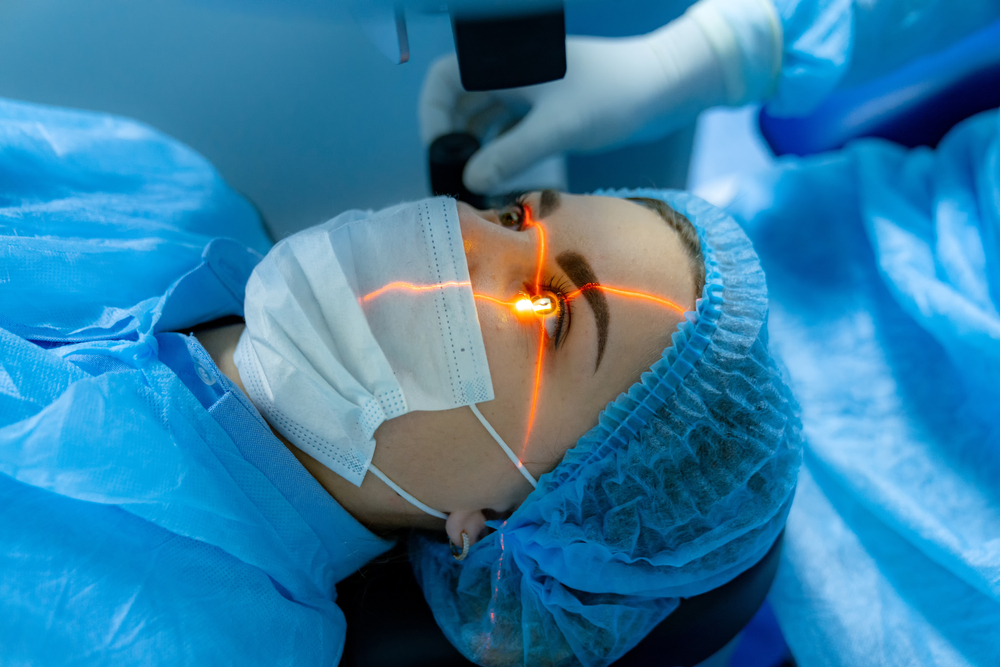
First, the thin protective layer covering your cornea (called the epithelial layer) is gently removed to expose the corneal tissue beneath. Next, an excimer laser, the same precise laser used in LASIK procedures, carefully reshapes the curvature of your cornea. This reshaping corrects refractive errors like nearsightedness, farsightedness, and astigmatism.
Many patients are surprised to discover that PRK has actually been around longer than LASIK. The procedure has a long track record of safety and effectiveness.
At Wilmington Eye, surgeons have been performing PRK for more than 20 years, helping people across eastern North Carolina reduce or eliminate their dependence on glasses and contacts.
How Does PRK Differ from LASIK?
Both PRK and LASIK use the same excimer laser technology to reshape the cornea and correct vision problems. The end results are also similar, with most patients achieving excellent visual outcomes from either procedure. So what makes PRK different?
The key distinction is in how the surgeon accesses your cornea.
LASIK involves creating a thin flap in the cornea, lifting it to reshape the tissue underneath, then repositioning the flap. PRK removes the surface epithelial layer entirely instead of creating a flap. This approach makes PRK particularly suitable for patients with thinner corneas, since no corneal tissue is needed to create a flap.
This difference in technique also affects recovery time. Because PRK doesn’t create a corneal flap, the epithelial layer needs time to regenerate naturally.
This means PRK typically has a longer initial recovery period compared to LASIK. However, for patients who aren’t good LASIK candidates, PRK offers an equally effective way to achieve clear vision.
Who is a Good Candidate for PRK?
Determining your candidacy for PRK requires a comprehensive evaluation with an experienced eye surgeon. While certain factors make you more likely to be a good candidate, only a thorough examination can provide a definitive answer.
Age and Health Requirements
To qualify for PRK eye surgery, you must be at least 18 years old with a prescription that has remained stable for at least one full year. You should also be in generally good health, as certain medical conditions can affect healing and surgical outcomes.
Corneal Thickness and Lifestyle Considerations
PRK is often the preferred option for patients with thin corneas, as the procedure doesn’t require the corneal thickness needed for creating a LASIK flap. If you have chronic dry eye conditions, PRK may also be a better choice since it doesn’t disrupt as many corneal nerves as LASIK does.

Patients with certain types of corneal diseases may also find PRK more suitable. Additionally, if your lifestyle involves contact sports, military service, or other activities where eye trauma is more likely, PRK eliminates the risk of flap displacement that can occur with LASIK.
What to Expect During PRK Surgery
One of the most common questions patients ask is whether PRK hurts. Your surgeon applies numbing eye drops before the procedure to prevent pain or discomfort. While everyone’s threshold for discomfort varies, most patients report feeling little to no pain during their PRK procedure.
The actual surgery takes less than 20 minutes from start to finish. However, you should plan to spend about one hour at the surgical facility on the day of your procedure. This extra time allows for preparation before surgery and a brief recovery period afterward.
During the procedure, you’ll remain awake but completely comfortable. Your surgeon will first remove the epithelial layer, then use the excimer laser to precisely reshape your cornea according to your personalized treatment map. The laser works quickly and accurately to correct your specific vision problems.
Keep in mind that you cannot drive yourself home after PRK surgery. You’ll need to arrange for a family member or friend to drive you to and from your procedure. Your eyes will need time to begin healing before you can safely operate a vehicle.
PRK Recovery and Results
Understanding the PRK recovery timeline helps set realistic expectations for your vision improvement journey. Unlike LASIK, where many patients notice clearer vision within 24 hours, PRK involves a more gradual healing process.

During the first few days following your PRK procedure, you may experience blurry vision or haziness. This is perfectly normal as your eyes work to heal and regenerate the epithelial layer. Many patients find it helpful to take two to three days off work to allow their eyes adequate rest during this initial healing phase.
Your vision will continue improving gradually over the course of several weeks. Full recovery and stabilized eyesight typically take a few weeks, so patience during this period is important. During your first post-operative exam, your surgeon will provide specific guidance on when you can resume strenuous activities like working out or running.
Following your surgeon’s post-operative instructions is essential for optimal healing and minimizing the risk of complications. This includes using prescribed eye drops, protecting your eyes from bright light, and attending all scheduled follow-up appointments.
Take the Next Step Toward Clear Vision
PRK eye surgery offers a proven path to visual freedom for patients who want to eliminate their dependence on glasses and contacts. With more than 20 years of experience, Wilmington Eye has helped hundreds of patients achieve 20/20 vision or better through this safe and effective procedure.
If you’ve been told you don’t qualify for LASIK, or if you have thin corneas, dry eyes, or lifestyle factors that make PRK a better option, a consultation can help you determine your candidacy. The advanced technology and personalized approach at Wilmington Eye ensure that your treatment is customized to your unique visual needs.
Are you ready to explore whether PRK is right for you? Schedule your free consultation at Wilmington Eye in Wilmington, NC, today and discover how this proven vision correction procedure can help you see the world more clearly.